
Why I’ve Started Using Wax to Create Arvor and Mor Jewellery
Since moving to Cornwall, the coast has become my main focus and inspiration for making jewellery. I love creating pieces that reflect what I see, feel and experience while walking along the rugged coastline here – the textures and forms of weathered rocks, the shifting tides that bring something new every day, and the magnificent power of crashing waves in winter.
As a sustainable jeweller working with recycled silver in Cornwall, I also want to capture the county’s important mining heritage and the quiet marks left by industry and time. There is a rawness to Cornwall’s coastline that holds so much story, and I want to capture as much of that as I can in my handmade silver jewellery.
I’m drawn to organic processes and natural imperfections, and over time I began to feel I needed a new medium. Metal alone wasn’t allowing me to create the raw, natural, organic textures and shapes of the coast in the way I wanted. I felt I needed something I could use more instinctively and intuitively.
That’s where wax comes in.
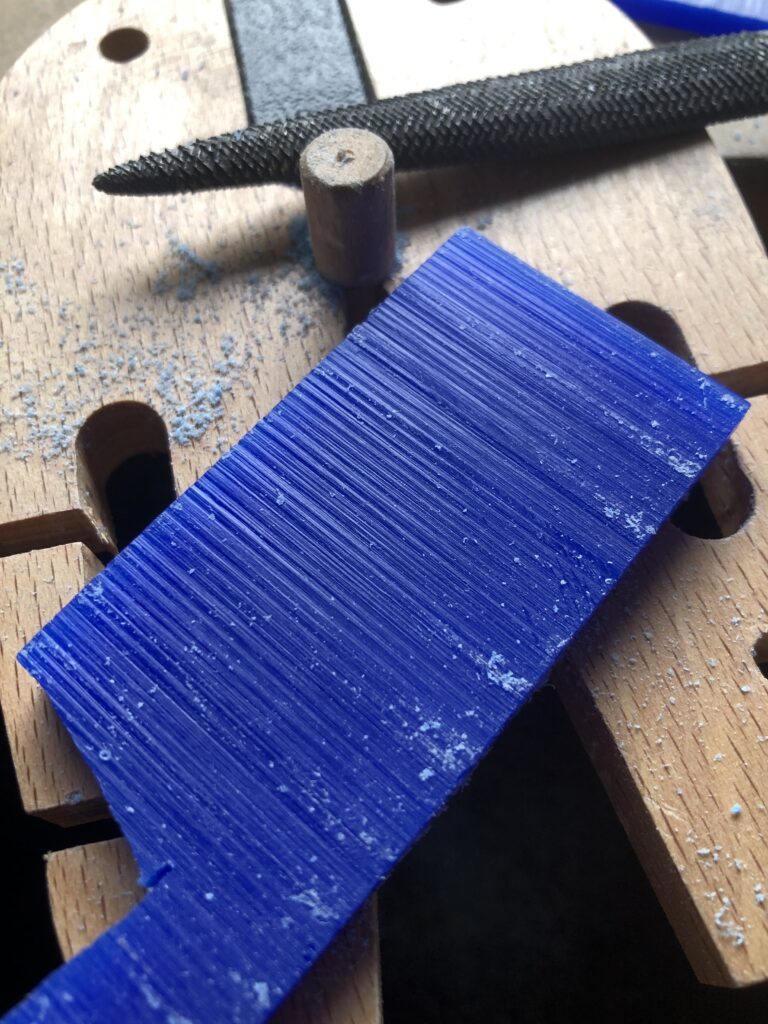
In its different forms, I can carve and mould wax into fluid, natural textures and shapes before casting it into silver. I can think less and feel more, letting the wax, my hands and the coast work together, allowing each piece to form in its own way.
My jewellery is for people like me who feel drawn to the sea — who find calm, grounding and meaning there. I want each piece to carry a story for you, as it hopefully becomes part of your story too. Working first in wax feels like a more natural way for me to do that.
The Wax I Use in My Jewellery Process
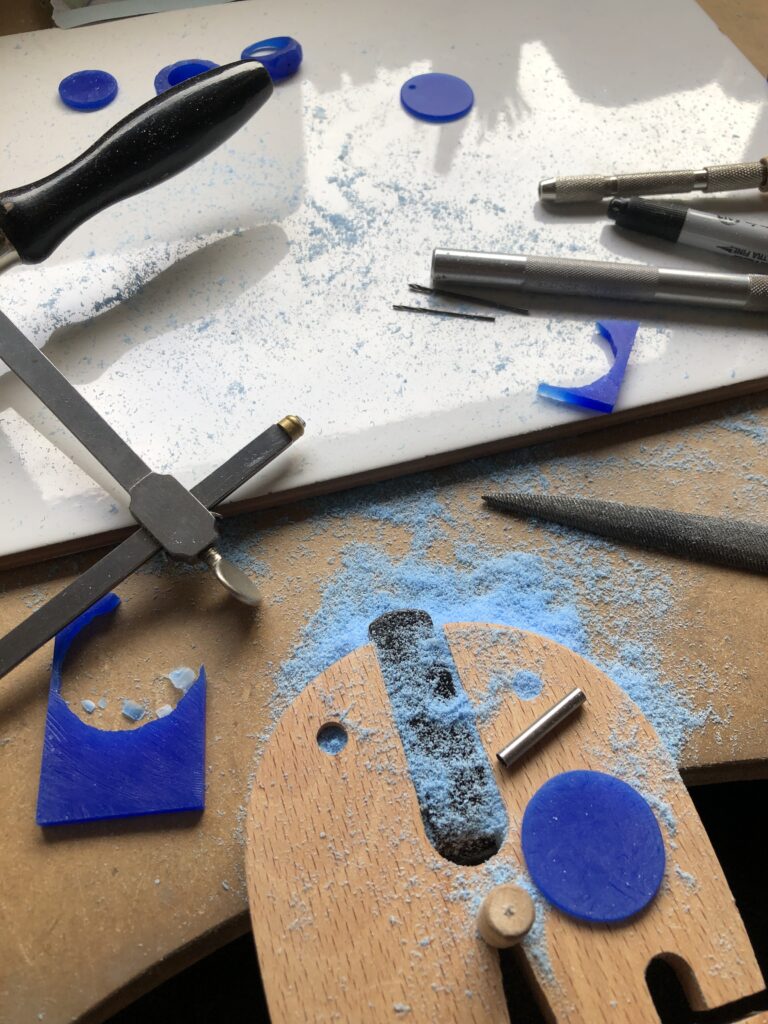
Wax comes in lots of different forms, from hard carving wax to thin tubes and soft, pliable wax. It can be carved, moulded, melted and textured into wonderfully unique organic shapes. One of the things I love most is that I can experiment freely at very little cost, and only cast the pieces I truly love.
I’ve also discovered Mitsuro Hikime wax, an ancient Japanese wax that looks and feels a bit like taffy. It is made from a blend of pine resin, rapeseed oil or red wax, and beeswax, and can be stretched and folded to create beautifully interesting striations and ribbons that remind me of seaweed drifting in the tide.
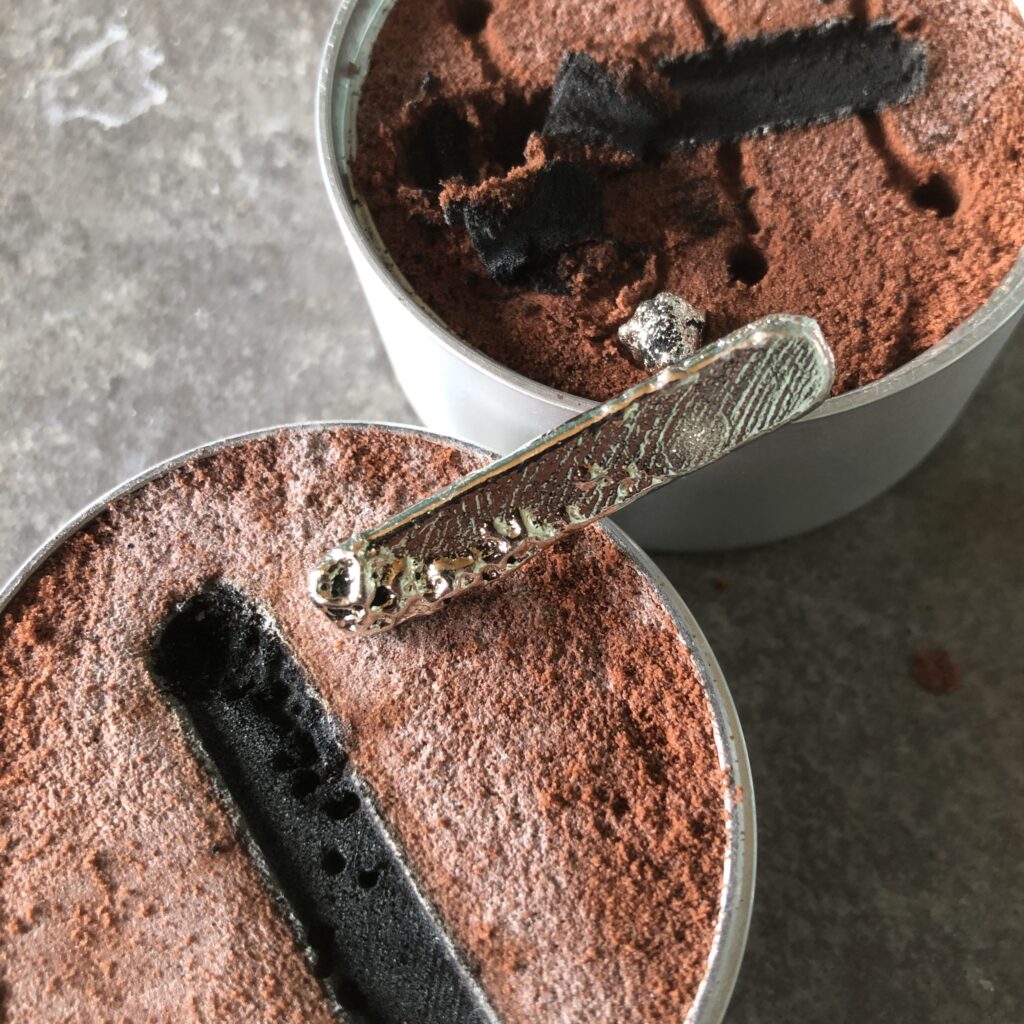
Once I have created a piece in wax, I can either send it off to be cast in metal using the lost wax casting process, or cast it myself in recycled silver using the sand casting method. Both methods give slightly different results, which I’ll talk more about in a future post.
What I’ve Created So Far Using Wax
So far, I’ve mostly created rings, along with a few pendants. Working in wax has given me the freedom to create barnacle-like textures, rocky surfaces and seaweed ribbon shapes that feel much closer to the Cornish coastline that inspires me.
All of the rings have been cast using the lost wax casting method, while the pendants have been sand cast by me in my workshop. There’s something very satisfying about taking a piece all the way from wax to finished silver myself.
You can find examples of these coastal-inspired silver rings and pendants over on my website.
What I’m Hoping to Create Next
To build my skills further, I’ve taken a few short courses to develop my wax carving techniques and refine my sand casting. My hope is to create a full collection of jewellery that begins in wax and is cast into recycled silver, capturing even more of the textures, colours and stories of the coast.
Having never been particularly interested in gemstones before, I’m now learning how to set them directly into my wax creations. This will allow me to introduce subtle hints of coastal colour into my jewellery — perhaps the copper tones of mining and rocks, the colours of wild coastal flora, and the deep blues of the ocean.
I’d also love to offer customers the opportunity to rework their old silver into beautiful new bespoke pieces using sand casting. Silver prices have skyrocketed, more than doubling in the last year alone. We have to think about this precious metal differently now. It’s no longer the inexpensive alternative to gold — it deserves care and value.
By offering bespoke silver jewellery options, I can help you transform unwanted, broken or heirloom pieces into something personal and meaningful, while also reducing waste and making thoughtful use of recycled silver.
A Future Post on Casting Methods
In a future post, I’ll introduce the different casting methods I use — including lost wax casting and sand casting — and explain how and why I choose between them.
In the meantime, if you’d like more slow making, coastal stories and behind-the-scenes glimpses of sustainable jewellery making in Cornwall, you can find me on social media at @arvorandmor or sign up below to receive my occasional ramblings.