In my previous post I shared the three different ways I cast my wax pieces into recycled silver. This time I thought I’d show how I make one of my naturally textured wide band rings using sand casting.
Making the wax ring
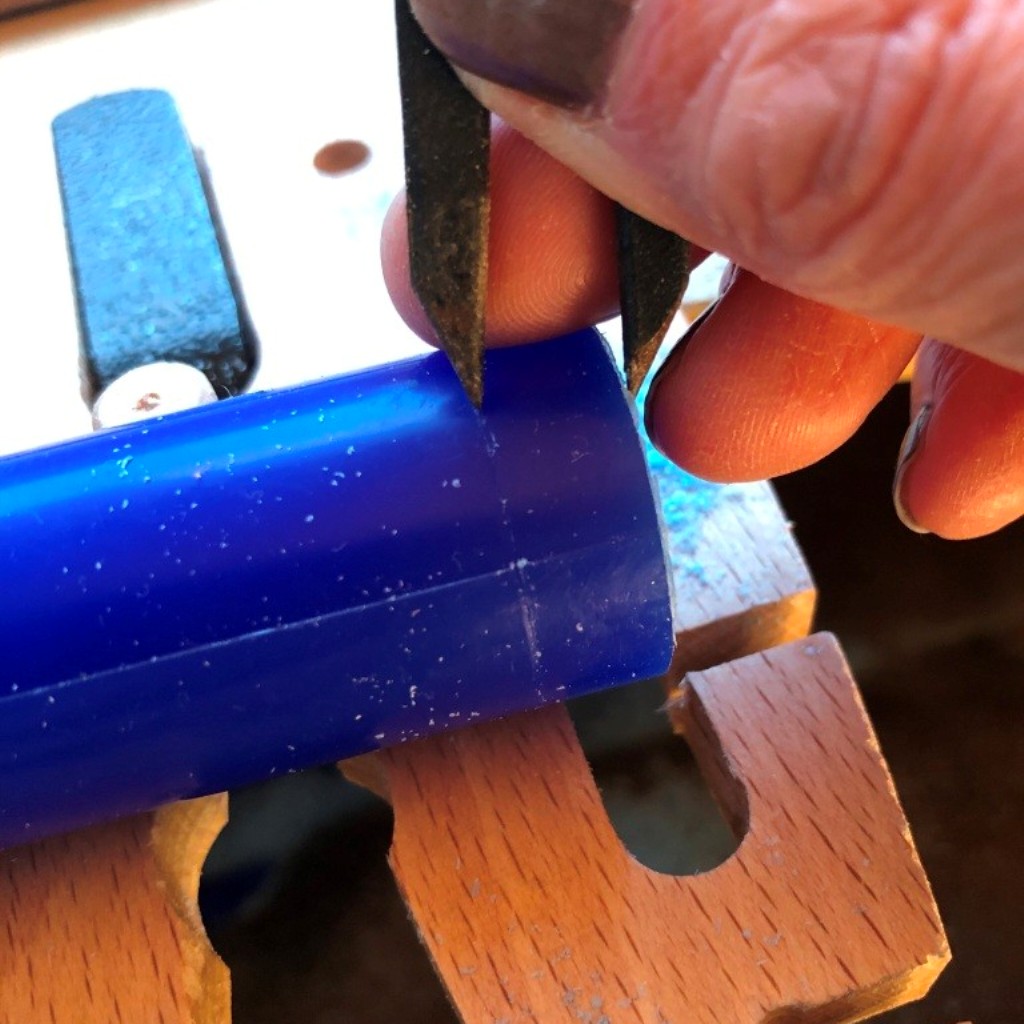
I start with a piece of tube wax, measuring and cutting it to the width I want. I file the edges to get a clean blank, then use a wax reamer to carve out the inside and size the ring.
Once the size is right, the carving begins. For this ring I shape the band and gradually make it thinner, making sure the inside and edges are smooth and comfortable to wear.
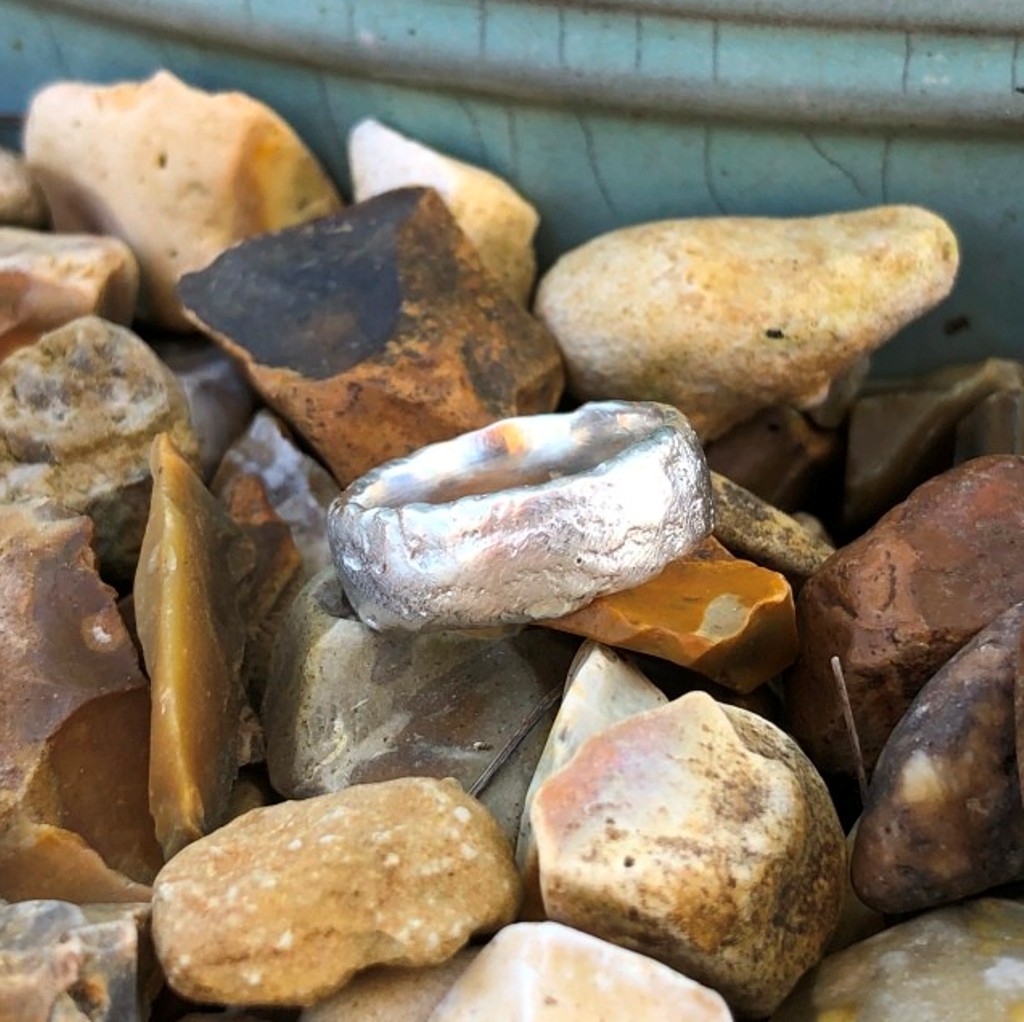
Then I add the texture. I use carving tools and small files to create a natural, slightly rugged finish around the outside and edges.
Once I’m happy, I refine everything with files and sandpaper. Then it’s ready to cast.
Preparing the sand casting mould
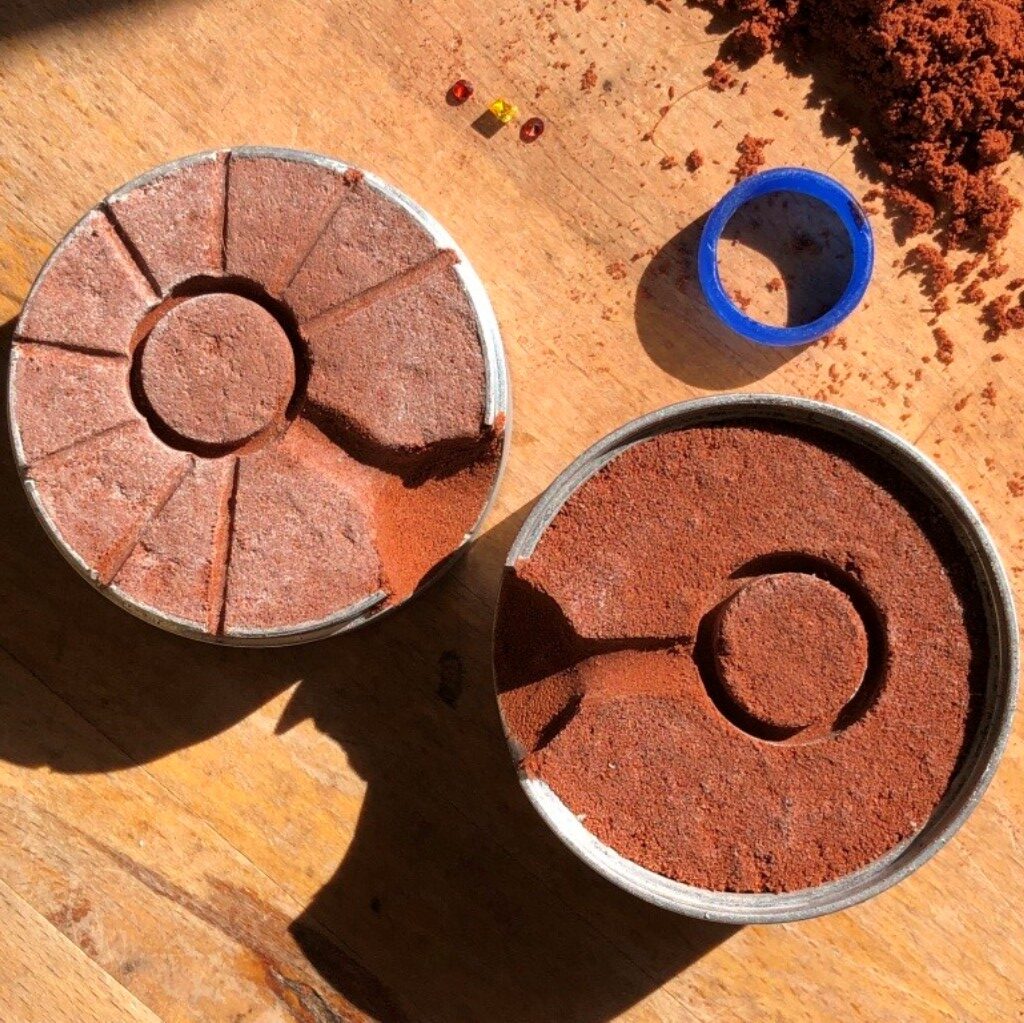
To cast the ring, I prepare a mould using a metal flask with two halves.
I fill one half with a special very fine sand, pack it down firmly and smooth the surface. A light dusting of cornflour helps stop the halves sticking. The wax ring is pressed halfway into the sand.
I fit the two halves together, fill the second side with sand, pack it down, then carefully separate them again.
The wax ring is removed and I create a pouring funnel and small air vents so the molten silver can flow properly.
Once everything looks clean and secure, the flask is put back together and ready for casting.
Casting into recycled silver
For the casting, I heat a small ceramic crucible with a large blow torch, add the silver, and keep heating until it’s fully melted.
Once it’s hot enough, I quickly pour the silver into the mould. There’s always a bit of smoke at this stage!
After it cools slightly, I open the flask to see how it’s turned out. Sand casting isn’t always predictable, which is part of the process — but it’s always exciting when it works.
Cleaning up the ring
There’s quite a bit of finishing afterwards. I saw off the excess metal from the pour, then grind, sand and polish the ring through several stages.
The result is a beautifully organic texture that feels natural and unique — exactly what I’m aiming for.
This process can be done using fresh recycled silver, or by remodelling old jewellery into something new.
Questions About Sand Casting Jewellery
What is sand casting in jewellery making?
Sand casting is a process where a mould is made using compacted sand, and molten metal is poured into it to create a piece of jewellery.
Why use wax before casting a ring?
Wax is easy to shape and carve, making it ideal for creating detailed designs before casting them into metal.
Is sand casting jewellery sustainable?
It can be, especially when using recycled metals and reusing materials where possible. Here at Arvor and Mor I use recycled silver and copper and I reuse the sand.
Can old jewellery be reused in sand casting?
Yes, old silver jewellery can be melted down and reused to create new pieces.
Why are sand cast rings slightly imperfect?
Sand casting is a more organic process, so small variations and textures are part of what makes each piece unique.
If you’d like to follow along as I keep experimenting with casting, recycled silver and making sustainable jewellery here in Cornwall, you can find me on social media @arvorandmor or sign up below for occasional updates and behind-the-scenes bits.
3 thoughts on “Making a natural, organic textured sand cast ring”
Richard S
I like the unpredictability of this technique it really gives an organic look to the piece. Also the fire and heat makes it “from the earth”.
This website uses cookies to improve your experience. Click on Accept or click on Settings to change preferences. AcceptSettings
Privacy & Cookies Policy
Privacy Overview
This website uses cookies to improve your experience while you navigate through the website. Out of these cookies, the cookies that are categorized as necessary are stored on your browser as they are essential for the working of basic functionalities of the website. We also use third-party cookies that help us analyze and understand how you use this website. These cookies will be stored in your browser only with your consent. You also have the option to opt-out of these cookies. But opting out of some of these cookies may have an effect on your browsing experience.
Necessary cookies are absolutely essential for the website to function properly. This category only includes cookies that ensures basic functionalities and security features of the website. These cookies do not store any personal information.



I like the unpredictability of this technique it really gives an organic look to the piece. Also the fire and heat makes it “from the earth”.
I love it for this reason too! Every piece is unique too.
Hi! So happy you posted this.
https://kwork.com/ref/11268055